Refractory materials are essential but sometimes disregarded in the competitive environment of Canadian heavy industry, which includes non-ferrous metallurgy, mining, cement, steel, and energy. They serve as the foundation for high-temperature activities, guaranteeing the safe and effective functioning of reactors, kilns, and furnaces. Investing in local refractory solutions is now crucial because to the growing risks associated with global supply chains and the requirement for sustainability.
- Supply Chain Security and Reliability
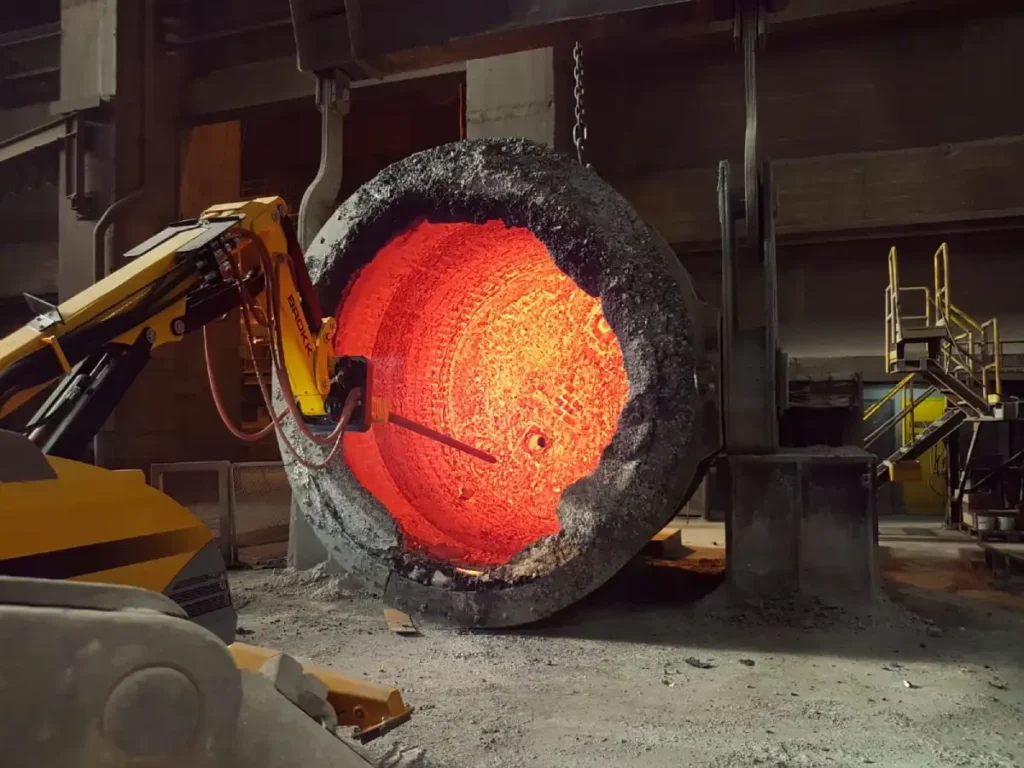
In recent years, supply networks throughout the world have seen extraordinary upheavals. Industries that rely on imported refractory materials run the danger of incurring significant downtime due to a variety of factors, including trade tensions, tariffs, shipping delays, and shortages of raw materials.
Businesses who get refractory goods and services from Canada benefit from:
- quicker delivery times and less dependence on international shipping.
- Critical supplies are consistently available for planned shutdowns.
- Quickness in addressing urgent demands for replacement or repair.
The greater initial cost of local procurement is already mitigated by a Canadian steel factory that saves even one day of furnace downtime, which may cost hundreds of thousands of dollars.
- Quality and Performance Tailored to Canadian Operations
Local providers of refractory are in a better position to comprehend the particular operating difficulties that Canadian companies encounter:
Severe weather affects installation and storage.
tailored solutions for certain kiln or furnace designs.
conformity to safety and environmental standards in Canada.
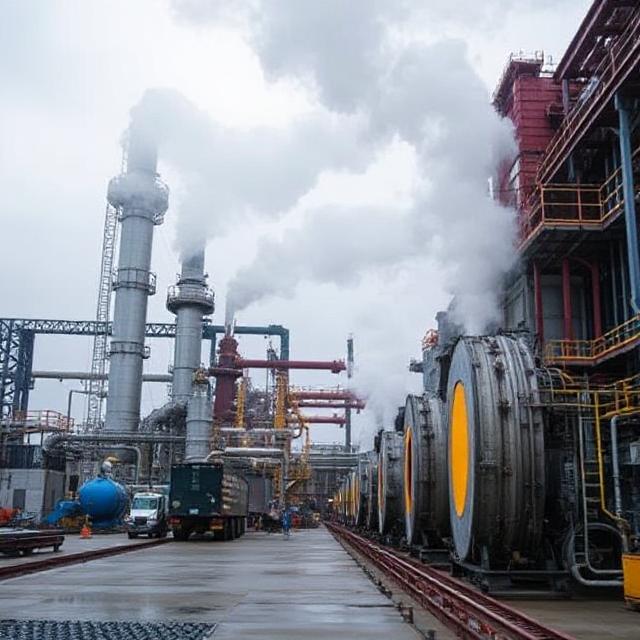
Canadian producers and service providers may create materials and linings that are specifically suited to local conditions rather of depending solely on generic imports. This personalization increases equipment longevity, lowers maintenance cycles, and boosts thermal efficiency.
- Economic and Environmental Impact
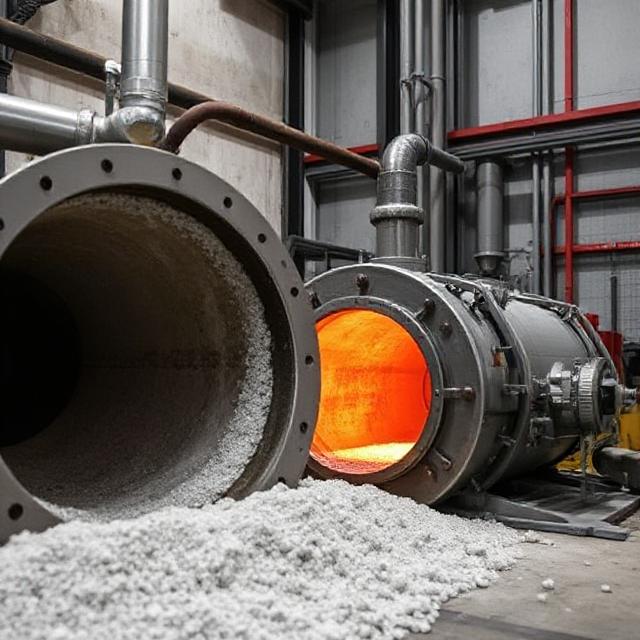
Purchasing locally produced refractory materials boosts the Canadian economy and lessens the carbon footprint of long-distance shipping. A domestic supply chain builds a robust industrial basis that can sustain key industries like mining and steelmaking while also bolstering local manufacturing jobs.
Additionally, in order to assist sectors satisfy corporate ESG standards, Canadian suppliers are increasingly incorporating sustainable techniques, such as recycling wasted refractories into new products and creating lower-carbon binders.
- Technical Expertise and After-Sales Support
Refractories involve design, installation, and maintenance in addition to materials. Local suppliers contribute technological know-how that is essential for:
- improving the design of furnace linings.
- Predictive maintenance is being carried out.
- delivering quick response and on-site assistance.
Obtaining this degree of direct service from foreign suppliers is challenging, if not impossible. Partnerships, not just purchases, help Canadian industry and guarantee that refractory systems will continue to provide value in the future.
conclusion
Purchasing local refractory solutions is a calculated move that will pay off for Canadian companies dealing with growing expenses, instability in the global economy, and sustainability demands. The advantages are obvious, ranging from supply chain security and performance optimization to economic development and environmental responsibility.
In addition to protecting their operations, businesses that fortify their relationships with Canadian refractory suppliers also help to make the country’s sector more robust and competitive.