One of the most urgent issues facing heavy industries globally is lowering carbon emissions. Because of their use of fossil fuels, high temperatures, and energy-intensive activities, steel and cement facilities are among the biggest industrial emitters. Optimizing refractory systems is a frequently disregarded yet very successful strategy, even though many solutions center on fuel switching or renewable energy.
Refractories’ Function in High-Temperature Procedures
Materials called refractories are made to resist chemical corrosion and high temperatures in reactors, kilns, and furnaces. In cement and steel mills, they line:
- Electric arc furnaces and blast furnaces
- Rotating kilns for cement
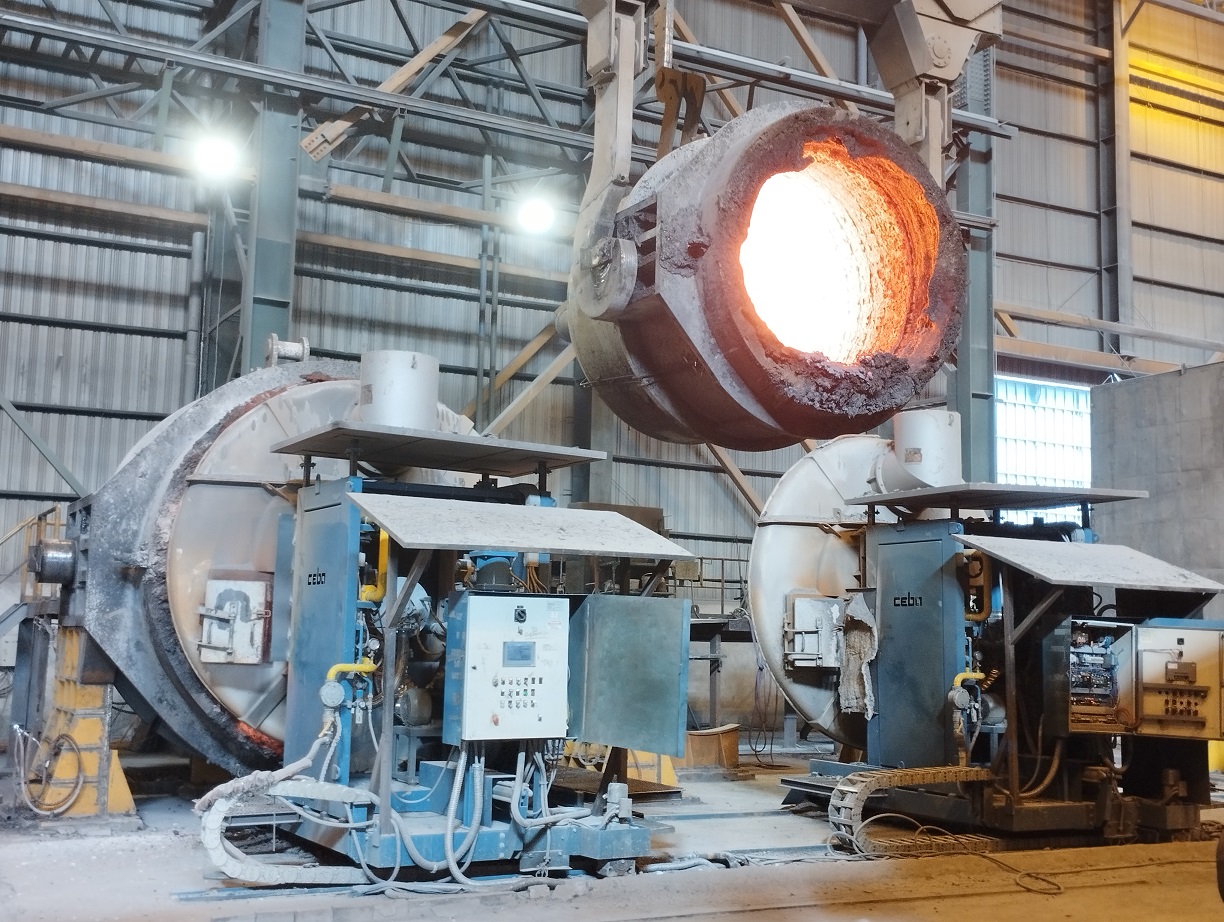
- Calcination units, holding furnaces, and ladles
Effective refractory materials extend furnace life, decrease energy loss, and enhance heat retention. Both fuel usage and carbon emissions are directly impacted by these advancements.
Energy Efficiency Through Advanced Refractory Design
Contemporary refractory materials are designed to reduce heat conductivity without sacrificing durability. Advantages consist of:
- Reduced Heat Loss: Because high-quality linings keep heat from escaping, less fuel is needed to maintain desired temperatures.
- Faster Process Cycles: By enabling facilities to achieve operating temperatures faster, efficient heat transfer reduces total energy use.
- Extended Equipment Lifespan: By reducing the need for energy-intensive maintenance procedures like furnace shutdowns and relining, durable refractories prolong the life of equipment.
According to studies, even a small percentage point increase in refractory efficiency may save fuel use by 5–10%, which over the course of a year can result in considerable carbon savings for large-scale operations.
Lower CO₂ Emissions
Refractories indirectly lower CO₂ emissions from burning fossil fuels by preserving energy. Better refractory linings can also be beneficial in cement plants:
- Cut down on kiln clinker formation time
- Reduce the amount of fuel required for calcination
- Facilitate the more effective operation of waste heat recovery systems
Energy-efficient refractories in steelmaking limit the need for carbon-intensive supplemental fuels and lower the power consumption of electric arc furnaces.
Sustainability and Regulatory Benefits
Purchasing high-performance refractories is consistent with both regulatory compliance and global environmental goals. Utilizing refractory systems that are tuned, plants can:
- Comply with more stringent emissions standards
- Enhance investor ESG reporting
- Reduce their environmental impact and operating expenses to improve their competitive position.
Conclusion
Refractories are key instruments for lowering carbon emissions in cement and steel plants, not only protective linings. Advanced refractory solutions help enterprises fulfill environmental goals while boosting operational performance by increasing thermal efficiency, prolonging equipment life, and promoting sustainable manufacturing processes.
Investing in contemporary refractory technology is a straightforward and efficient approach for Canadian enterprises to lower their carbon footprint and increase profitability.