When people think of an oil refinery, they frequently envision gigantic furnaces, lofty buildings, and infinite networks of pipelines. What generally goes unseen is the silent ingredient that keeps all that steel from melting under pressure: refractory.
Refractory is a class of materials designed to fulfill one basic but vital job: withstand severe heat and chemical assault where regular steel would fail soon. Without it, refineries that convert crude oil into gasoline, plastics, and a variety of other common items would be unable to operate.
What Exactly is Refractory?
At its heart, refractory is a sort of ceramic that can withstand circumstances that would damage other materials. It comes in many shapes and forms.
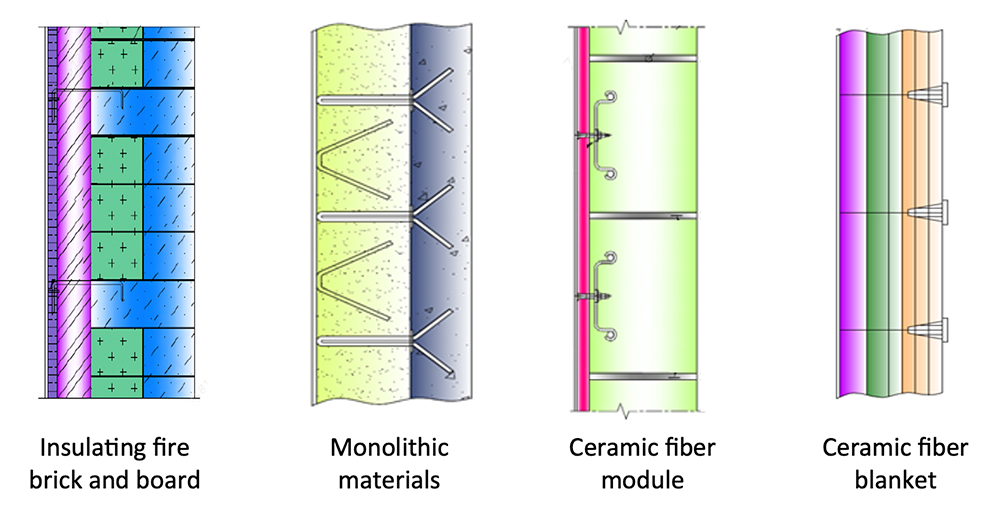
Soft wool-like fibers provide lightweight insulation.
Wet solutions that may be sprayed or poured and then solidify to provide solid protection.
Brick blocks provide heavy-duty strength where it’s most required.
Each version has unique capabilities, and they are frequently combined to form a defensive mechanism against heat, corrosion, and wear.
Where to Find It in a Refinery
Refineries are full with machinery that raises temperatures much above what steel can handle alone. Here are some of the major “refractory hot spots”:
- Cracking units
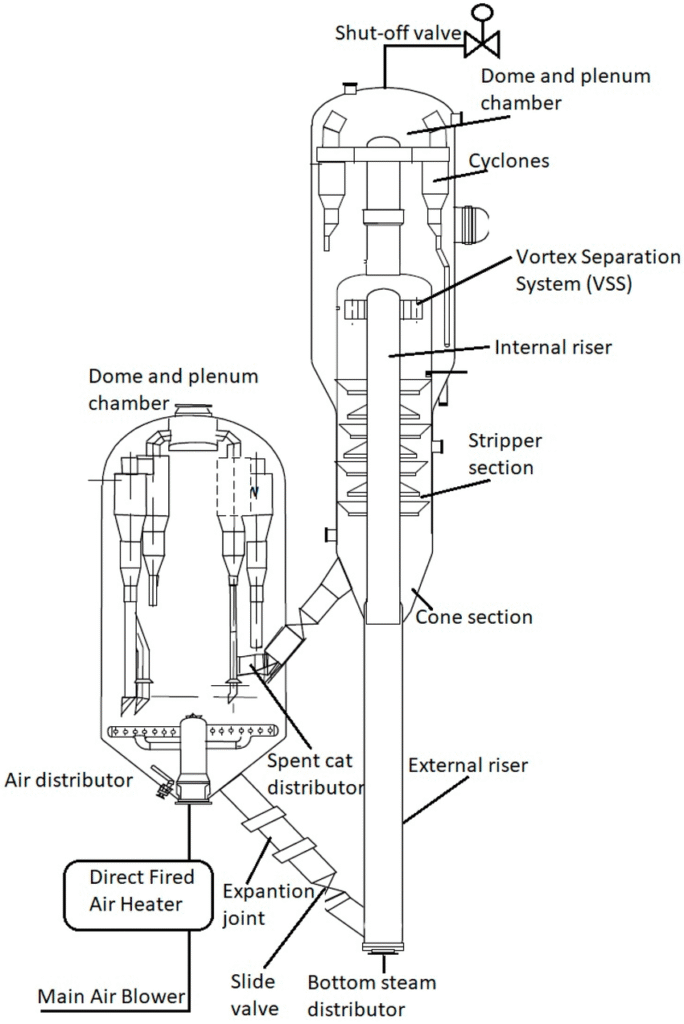
Hot catalysts fly around in fluid catalytic cracking units (FCCUs) at extreme temperatures. Refractory operates similarly to armor plate, insulating the steel while preventing degradation caused by continual particle impact.
- Furnaces and Heaters
Every refinery contains furnaces that must burn fuel around the clock. Depending on the fuel type, refractory can be built of fiber for high heat efficiency or thick brick for ash and corrosion resistance. In many situations, both are stacked together to ensure the hot face remains sturdy while the backup lining keeps the steel shell cold.
- Sulfur Recovery Reactors
Flames rage within sulfur recovery factories at temperatures beyond 2,000 degrees Fahrenheit. Heavy refractory bricks outperform everything else in this circumstance, keeping stable even when oxygen-rich burning raises the fire’s temperature. Bricks do not insulate well, thus they are blended with lighter castable materials to keep heat from spreading to the exterior shell.
“Hidden Hardware”: Anchors
A liner is only as effective as the method by which it is secured. Metal anchors behind the walls secure the refractory to the steel. They come in a variety of shapes and systems, including hooks, studs, and mesh patterns, all of which are designed to allow the refractory to expand, shrink, and withstand without coming apart. Think of them as the skeleton behind the ceramic shield.
Why It Matters
Refractory isn’t glamorous, and you’ll never see it in use unless you’re inside a shut-down refinery. But it’s the silent workhorse that enables contemporary refinement. By insulating containers and heaters, businesses avoid reliance on unusual, expensive metals and prevent disastrous equipment failures.
The next time you drive by a refinery, keep in mind that what keeps the fire burning safely is frequently hidden from view.